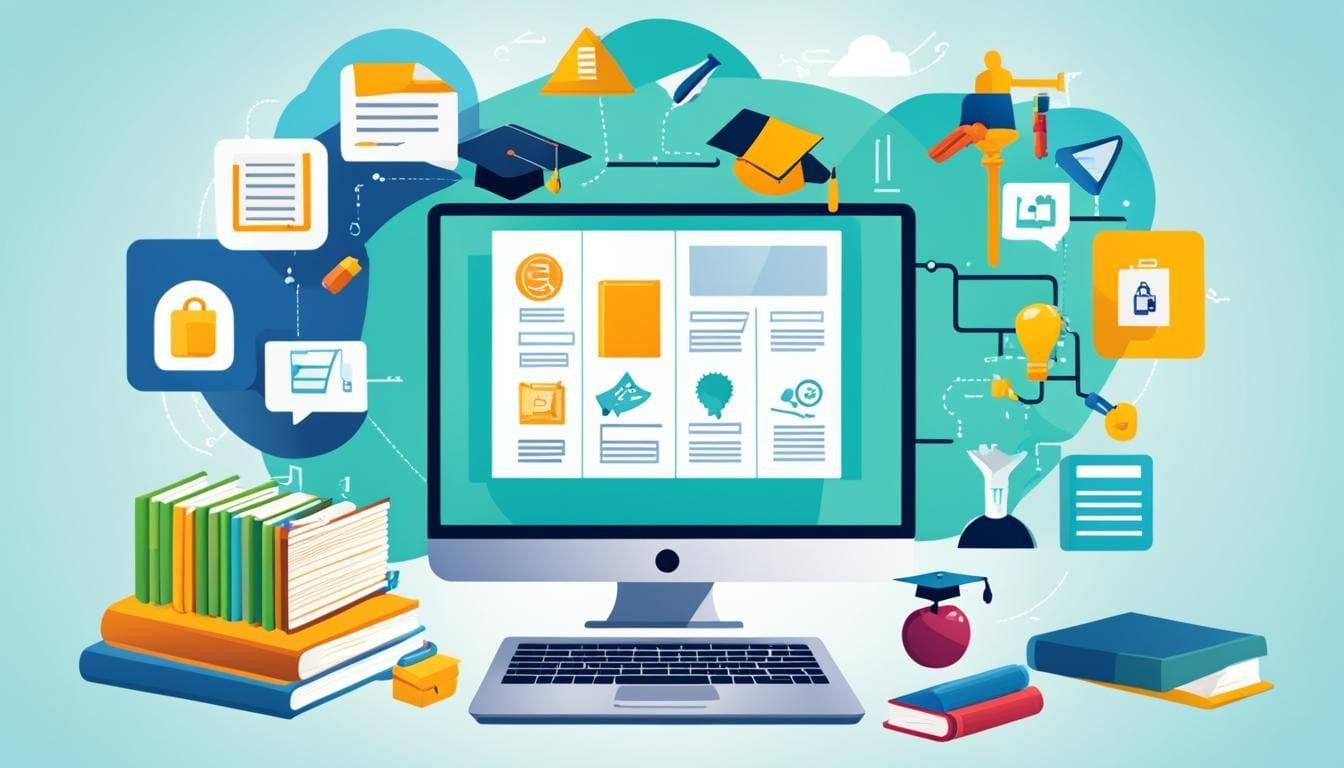
In today's digital world, computer literacy is an essential skill for education, employment, and everyday life. This course provides learners with a solid foundation in basic computer knowledge and practical digital skills required to confidently use computers in personal and professional environments.
Throughout the course, learners will explore computer hardware and software, file management, internet browsing, email communication, online safety, and the use of common productivity applications such as word processing, spreadsheets, and presentations. Practical exercises will help learners develop confidence in navigating digital tools and completing everyday computer-based tasks.
By the end of this course, learners will be able to use a computer effectively, manage digital information, communicate online professionally, and apply essential technology skills in the workplace and daily life.
Assessor:
Start Date:
End Date:

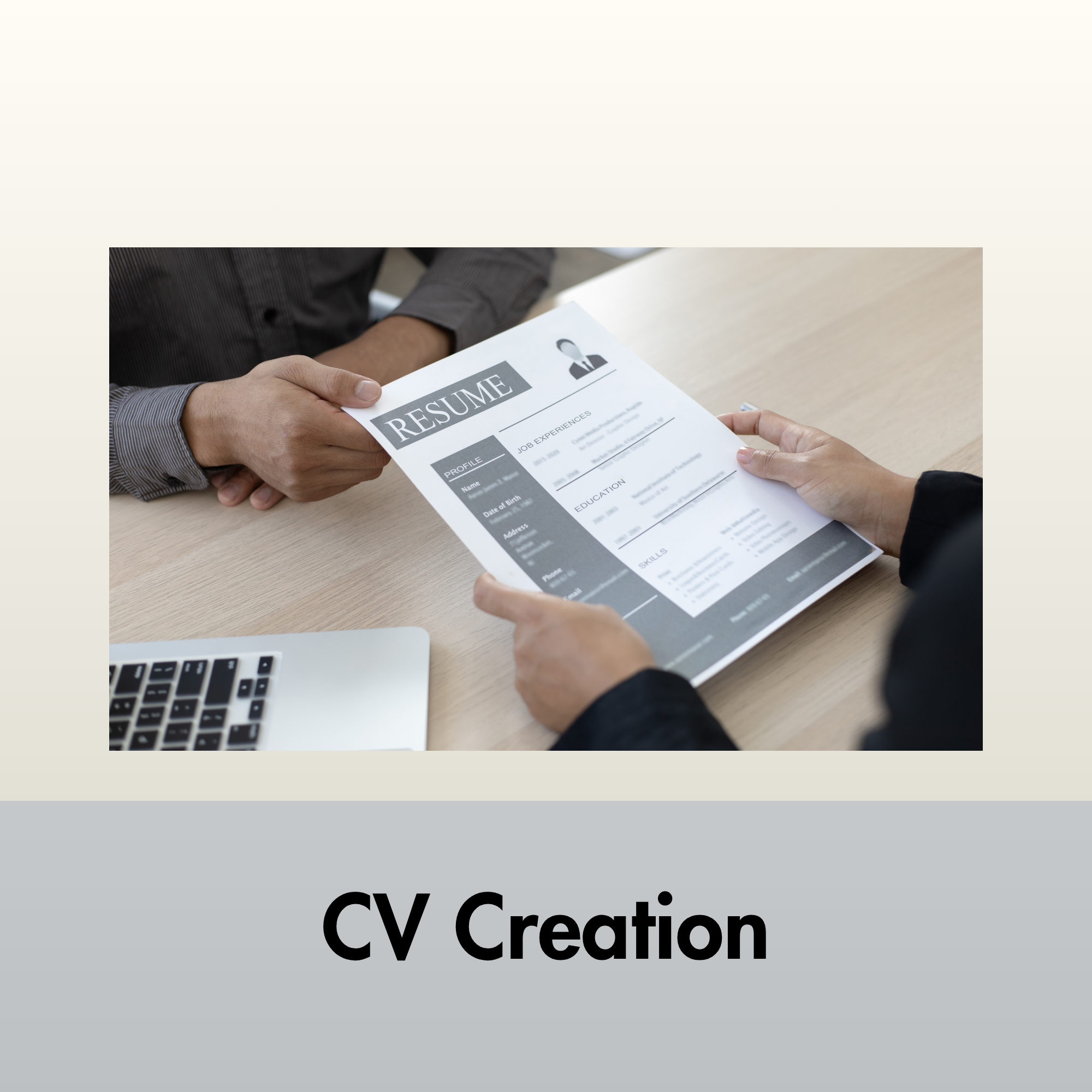
A well-written CV is your first step towards securing employment and creating a positive impression with potential employers. This course is designed to equip learners with the knowledge and skills needed to create a professional, effective, and job-ready Curriculum Vitae (CV).
Throughout the course, you will learn how to structure a CV, present your skills and qualifications professionally, highlight your work experience, and tailor your CV to different job opportunities. You will also gain valuable tips on avoiding common CV mistakes and ensuring your document stands out in a competitive job market.
By the end of this course, you will be able to develop a polished and professional CV that accurately reflects your abilities, achievements, and career goals, increasing your chances of securing interviews and employment opportunities.
Assessor:
Start date:
End date:
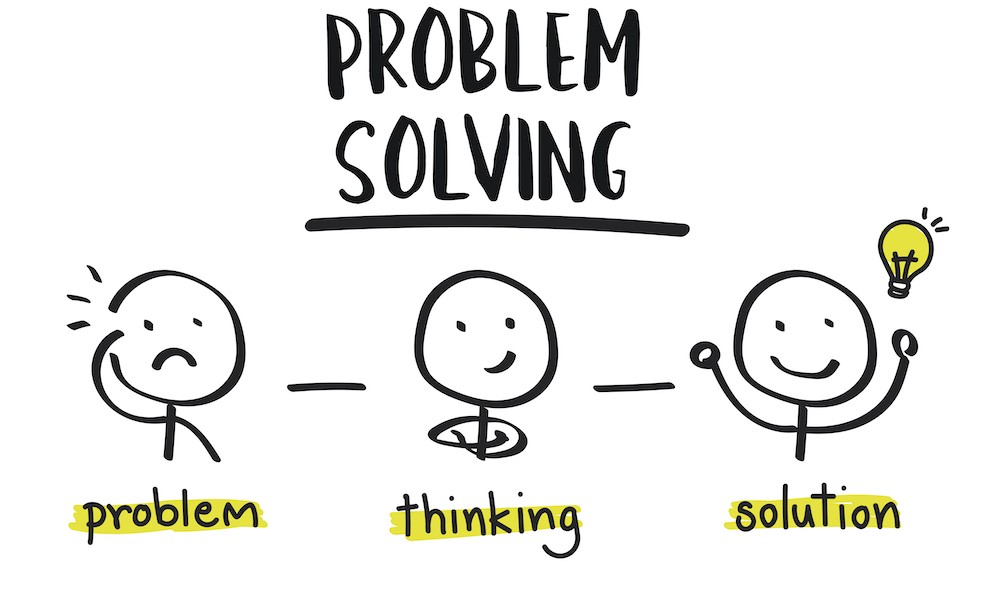
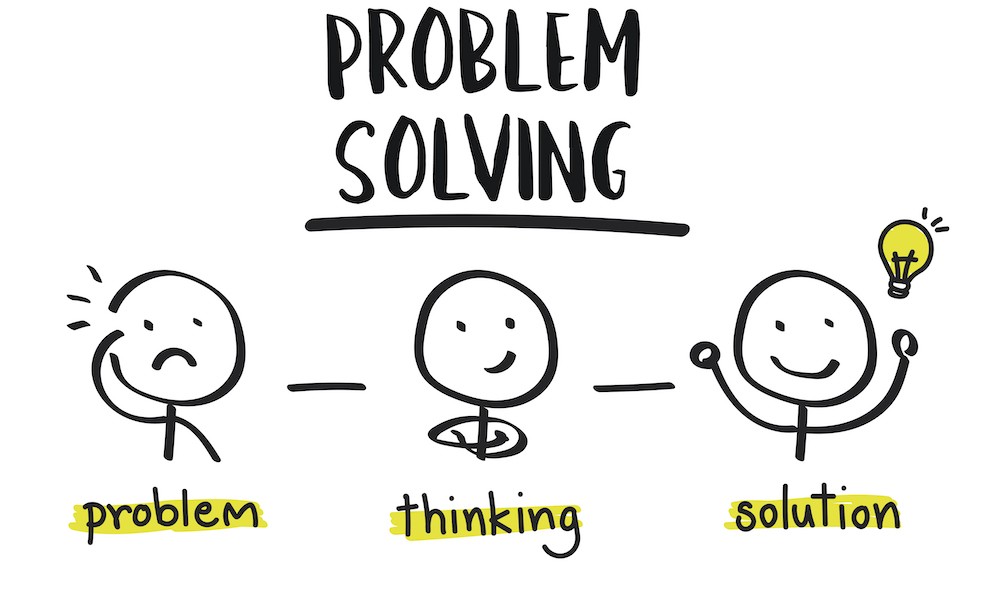
This course introduces learners to essential problem-solving techniques used in academic, workplace, and everyday situations. It focuses on developing critical thinking, analytical reasoning, and decision-making skills to help you identify problems clearly, explore possible solutions, and choose the most effective course of action.
Throughout the course, you will learn how to break down complex problems into manageable parts, evaluate different solutions, and apply structured methods such as root cause analysis and creative thinking strategies. Practical activities and real-life scenarios will help you build confidence in handling challenges efficiently and independently.
By the end of this course, you will be able to approach problems with a logical mindset, improve your decision-making abilities, and apply effective solutions in both personal and professional environments.
Assessor:
Start date:
End date:
Computers are powerful electronic devices designed to store, process, and retrieve information. They help us complete a wide range of tasks, including browsing the internet, creating documents, learning online, communicating with others, and running applications. Computers form an essential part of modern life and are used in schools, workplaces, and homes all around the world.
Assessor:
Start date:
End date: